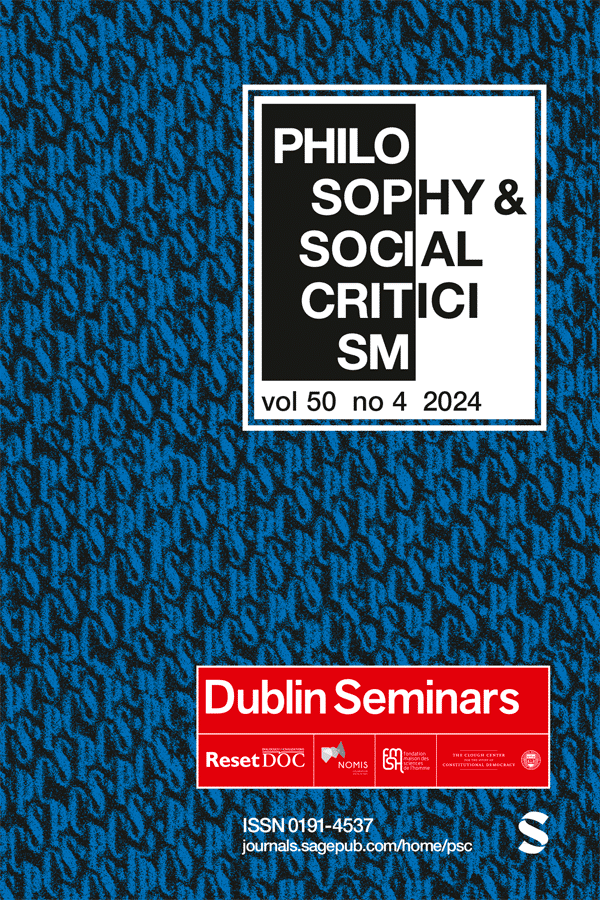
The Dublin Seminars, in partnership with Boston College Ireland and Fondation Maison des Sciences de l’Homme, have kicked out in 2023 to establish as a remarkable cultural appointment, able to promote and consolidate a network of cultural, intellectual and academic relationships among senior and junior scholars in the social sciences, political theory, sociology, legal and religious studies. Thanks to its cross-cultural inspiration, the Dublin Seminars function as an original think tank for a thorough understanding of the challenges facing democracy, politics and international relations in the 21st-century world.
An international forum and summer school, in partnership with the Ca’ Foscari University of Venice, on the prospects for democracy, human rights, secularism and religion across different cultures able to promote and consolidate a network of cultural, intellectual and academic relationships among senior and junior scholars in the social sciences, political theory, sociology, legal, and religious studies.