
Analyses
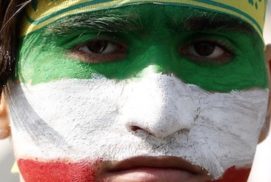
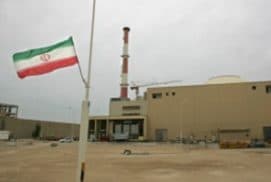
The history of the Islamic Republic of Iran—established in 1979 following the revolution that overthrew Shah Mohammad Reza Pahlavi—is marked by a dense sequence of developments that have progressively altered its political and institutional configuration. These changes, however, have only sporadically been recognized by Western analyses, which have instead tended to perpetuate a more functional and instrumental stereotype based on the image of a monolithic, highly verticalized religious autocracy. While such a characterization was broadly accurate during the first decade of the Islamic Republic, it has undergone a profound transformation since 1989.
  • Ivan Krastev 21 September 2018
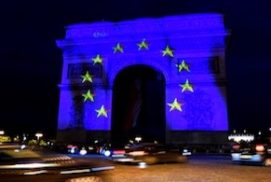
    Seventy years ago, Europe managed miraculously to turn the destruction of World War II into the foundation of its peace project. It succeeded at turning the antiestablishment anger of 1968 into political progress. It succeeded in less than two decades at uniting a Europe divided by 50 years of Cold War. If Europe has managed to turn so many failures into success, one can certainly hope that it will achieve the same miracle again today.
  • Massimo Campanini 6 September 2018
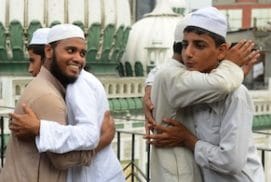
    Casablanca, Morocco, hosted in July an important international conference on Sources of Pluralism in Islamic Thought. This is a topical subject, but above all one worthy of being debated with the wider public, whose perception is that Islam has been a never-changing monolith with no internal differentiations since the days of Muhammad.
  • Marina Forti 5 September 2018
    Within the past two months, Iranian editors have been cutting the number of pages and newspapers they publish — at least one daily has closed shop entirely. This is not due to government censorship or a sudden drop-off in readership: there is simply not enough newsprint to go around.
  • Mujibur Rehman 26 June 2018
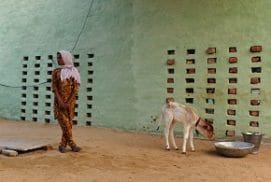
    Post-2014,  cow vigilante groups have emerged as the most prominent non-state actors in India in terms of their capacity to unleash violence. They strike at will even in regions not governed by the Bharatiya Janata Party (BJP).
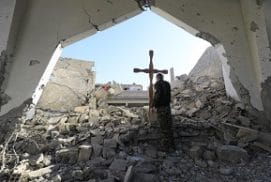
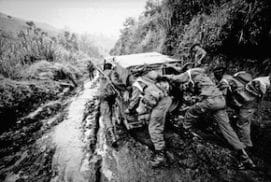
  • The war in the eastern Democratic Republic of the Congo (DRC), which never makes world headlines, is by far the worst crisis in numbers of people killed and uprooted, before Syria, Yemen and other severely war-torn areas in the XXI century. It is one of three countries in the world declared a level three emergency by the United Nations.  
  • Matteo Tacconi 14 June 2018
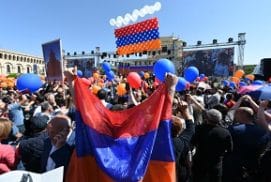
    Following massive street protests in April against then premier Serzh Sarksyan, leader of the old regime, a general strike on May 2nd and then the election of Nikol Pashinyan, leader of the democratic movement as head of the government a week later, the Armenian revolution has vanished from daily headlines.
Load more
SUPPORT OUR WORK


Please consider giving a tax-free donation to Reset this year

Any amount will help show your support for our activities

In Europe and elsewhere
(Reset DOC)


In the US
(Reset Dialogues)


x