

Videos
-
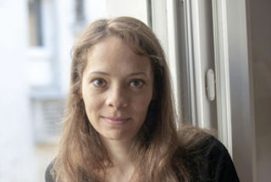
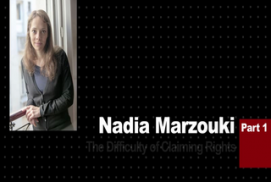
 13 February 2017How should the western countries deal with the threat of internal religious radicalization and Islamic fundamentalism? The search for an interlocutor who should represent religious communities and the emphasis on theological questions are as wrong, says Nadia Marzouki, as the linking of radicalisation with religious practices. Religious practices, even if fervent, do not automatically create dangerous and disloyal citizens.
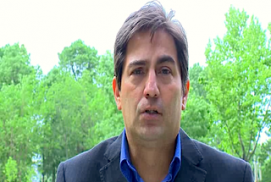
 - 10 February 2017How to develop democracy in Latin America or Africa, not just applying Western ideas but adapting local culture? Asks von Vacano: “if we understand theories across cultures we might be able to develop more permanent conceptions and constitutions that are democratic. Example: all inclusion of minorities – where already the ancient Athenian democracy model failed – Bolivia today has incorporated the indigenous groups, applying its cultural roots into democratic theory and constitution.”
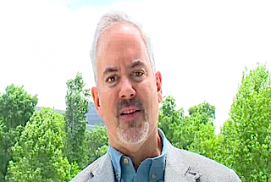
- 7 February 2017Our classical liberal tradition in the United States is stronger than in Europe, says Macedo. The interesting ideas of contemporary republicans, deliberative democrats and the ideas of progressive liberals are highly convergent and mutually complementary and not in opposition to one another. This other tradition, we tend to call libertarian, is much more free market oriented, but progressive liberalism and European moderate, left ideas to overlap.
- 2 February 2017Muslim in Europe and US are increasingly visible in the public sphere and ask for their rights. This has become source of controversies and fear for people in the west. But the language of emotions and fear tends to deny Muslim the possibility of talking about politics, or using the vocabulary of liberal rights to claim their needs, criticises Nadia Marzouki from EHESS in Paris. This hinders integration.
- 26 January 2017How to deal with social controversies in the case of Charlie Hebdo in France? Ask Stephen Macedo from Princeton. In Europe, there are more laws that are protective of particular groups against hateful speech. In the US we tend not to have those laws, but we have self-restraint which results from living in society of immigrants. Not offending one another has become a normal way of behaving in society.
- Manlio Graziano 24 January 2017The Nation State is challenged by declining institutions, says Manlio Graziano from Sorbonne, Paris and the void is often filled by religion. But political actors are not prepared. In France the law from 1905 – still in force – can’t regulate today’s challenges with Islam or other religions. The relationship between the State and religions and, among others, the relationship between State and religious institutions needs to be reconsidered today.
- 17 January 2017People that organize protests in the streets, the “Square People”, seem to create a re-legitimation of the status quo rather than positive change, says Ivan Krastev: today’s street protests are not necessarily a sign of more democratisation but signalise political mistrust and a disconnection between protest and representation. On the other hand, it feeds populism on a global scale by leaving aside the traditional political parties.
- 16 January 2017Cultures need to learn from each other and so does democratic theory. We need new tools, democratic tools to tame violence, says Ramin Jahanbegloo from York University, Toronto and it is Gandhi who can inspire us once again. And we need democratic passion, civic education and cross cultural, non-violent ideas.
- 27 October 2016Western political systems are moving from party politics to “the” personal party, with emphasis on strong leadership. The Italian case with Silvio Berlusconi’s personal party, Beppe Grillo and now Matteo Renzi’s “best of” populist interpretation, is an interesting case for this new kind of neo-populism within Democracies, says Mauro Calise and it differs from former populist models, defined by their strong communal roots.
- 21 October 2016Making revolutions and facing modernity was easier for Shia Muslims then for Sunnis, says Prof. Arjomand from N.Y. State University. The Shia attendance for the Madhi helped in mobilizing people and create the Iranian constitution. Instead Sunni Islam is more conservative and hostile against change, with religious reactions against state building, constitutionalism and modernity. And what about comparing the religious differences to those of the religious wars in medieval Europe?