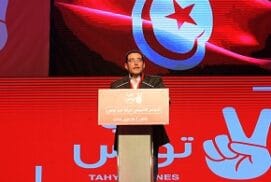
Four months before the vote, everything is still in doubt in the complex Tunisian chess game, overshadowed by the Libyan and Algerian news on the agenda of the Western allies.
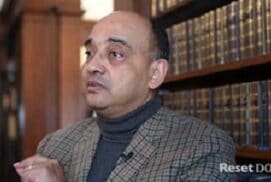
Today people’s political identities make them say whatever the tribe is supposed to believe in at the moment. If there is hate for the other tribe, the other party, we cannot be one self-governing people, says Anthony Appiah: a Democracy needs to be run together and needs agreement on common ground.
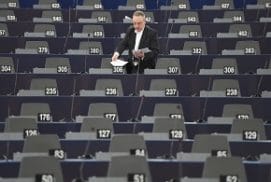
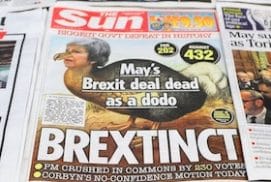
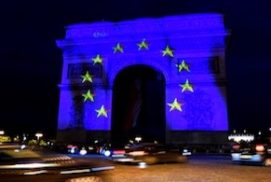
The streets of Paris in flames; the most ancient democracy of all overturned by Brexit; populist-held Italy tempted by the aspiration to dismantle the EU from within. What’s going on with European democracy, two months ahead of its key electoral appointment?
Seventy years ago, Europe managed miraculously to turn the destruction of World War II into the foundation of its peace project. It succeeded at turning the antiestablishment anger of 1968 into political progress. It succeeded in less than two decades at uniting a Europe divided by 50 years of Cold War. If Europe has managed to turn so many failures into success, one can certainly hope that it will achieve the same miracle again today.
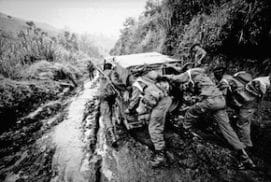
The war in the eastern Democratic Republic of the Congo (DRC), which never makes world headlines, is by far the worst crisis in numbers of people killed and uprooted, before Syria, Yemen and other severely war-torn areas in the XXI century. It is one of three countries in the world declared a level three emergency by the United Nations.
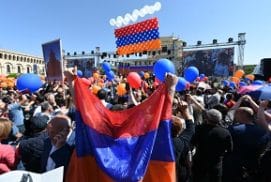
Following massive street protests in April against then premier Serzh Sarksyan, leader of the old regime, a general strike on May 2nd and then the election of Nikol Pashinyan, leader of the democratic movement as head of the government a week later, the Armenian revolution has vanished from daily headlines.
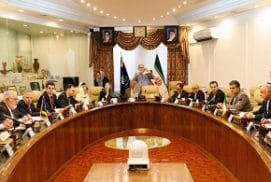
“Iran will continue to respect the agreement regarding its nuclear programme even if the United States has decided to withdraw and for as long as the other signatories remain committed, with Iranian interests guaranteed.”
Europeans have a strategic interest in saving the Joint Comprehensive Plan of Action (JCPOA), the July 2015 agreement on the Iranian nuclear programme, even after the US president’s decision to unilaterally abandon it.
We use cookies to ensure that we give you the best experience on our website. If you continue to use this site we will assume that you are happy with it.Ok