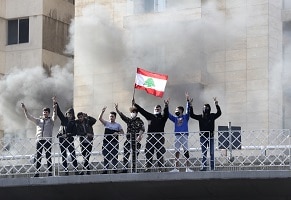
Lebanese people seem condemned to the same destiny as the mythical Sisyphus: rebuild their lives all over again. The response: exile, rebellion or lethargy?
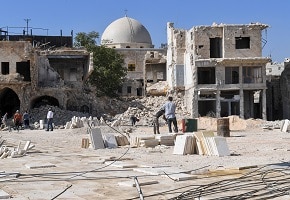
As most Syrians stil grapple with a full-scale humanitarian crisis afer ten years of destruction, regional powers are competing to secure influence on the country’s reconstruction, and future balance.
Over two months after the explosion that devastated the port of Beirut, the country is at a crossroads: a drastic change in the institutional paradigm seems to be the only alternative to implosion.
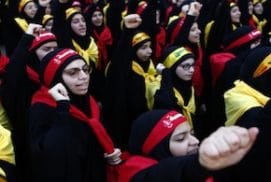
The Syrian war seems to slowly be reaching its end and Assad’s regime may no longer require a strong military presence of foreign fighters on its soil. But what about the welfare system those foreign fighters have helped establish? Would it also disappear with the retreat of Shiites militias? If so, then the government will remain interested in having Hezbollah on its territory to support its very delicate attempts to mend the deep fractures that the war created inside the Syrian society.
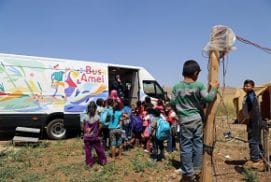
Lebanon is hosting approximately 1.5 million Syrian refugees, (almost 25 per cent of Lebanon’s population), of which one million are officially registered with the United Nation, and mostly live in informal camps (known as informal tented settlements) scattered around the country.
We use cookies to ensure that we give you the best experience on our website. If you continue to use this site we will assume that you are happy with it.Ok