
arab-springs
  • As wars, repression, and social upheavals continue to reshape the Middle East, philosopher Elizabeth Suzanne Kassab of the Doha Institute for Graduate Studies argues that the region’s dominant intellectual traditions failed to grasp the needs and priorities of the societies they sought to interpret. For decades, leading Arab thinkers focused on questions of identity and heritage while citizens were confronting repression, economic hardship, and crumbling political structures. The 2011 uprisings exposed how wide this gap had grown—and the devastation of Gaza, Kassab warns, has made it impossible to ignore.
  • Idriss Jebari 2 December 2025
    For those who teach Arab intellectual history in Western universities, the Arab Spring has hung over the curriculum like the sword of Damocles. What meaning should we ascribe to this event? Does it follow logically from the previous episodes, their ideological themes, and intellectual figures? Or was it a revolutionary break of such magnitude that it risks rendering the whole course obsolete? In the age of “learning aims,” “real-world relevance,” and course evaluations, instructors have had to take a position, despite the ongoing and unresolved nature of the Arab Spring. Some disciplines, such as MENA politics, may have clearer ways of drawing conclusions about its repercussions. What of the Arab intellectual scene?
  • Harald Viersen 21 November 2025
    In her recent contribution to Reset DOC, Elizabeth Suzanne Kassab echoes this sentiment, as she sketches an ambitious and important project to map the changes that the last decade and a half of upheaval in the Arab world has wrought in the intellectual scene. She describes what has been brewing in these circles as “new contemporary” Arab thought, contrasting it to the merely contemporary thought of the period between the 1960s and the beginnings of the Arab Spring in 2011 that she chronicled earlier in her comprehensive survey published in 2010.
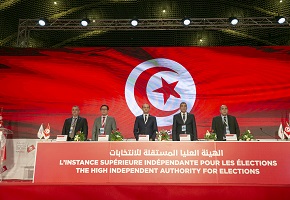
  • Undoubtedly, 2011 was a turning point in the history of the Arab region. The 2011 popular uprisings in Tunisia, Egypt, Yemen, Sudan, Libya, Syria, and, to a lesser extent, Morocco, were followed by another wave of such uprisings in Algeria, Iraq, and Lebanon in 2019. The genocidal war raging in Gaza since 2023 has taken the region to a yet deeper abyss in existential, moral, political, and economic terms. How have thinkers of the region been interacting with these upheavals? How have these dramatic events impacted the intellectual scene of the region?
  • Abdel Aziz Hali 2 December 2021
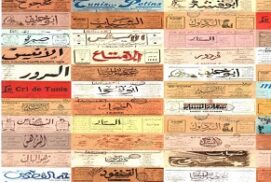
    Contrary to what most readers of the written press think, satire has played an important role in the Tunisian media landscape as it always has done in publications such as ‘Le Canard Enchaîné’ and ‘Charlie Hebdo’ in France. In fact, satire was never more manifest in Tunisia, than it was preceding independence. Wielding this particular style as their sword, our journalistic knights, in upholding their belief in freedom of expression, sought to combat political correctness and continue the crusade against censorship, while cleverly evading prohibitions and taboos with great subtlety.
Load more
SUPPORT OUR WORK


Please consider giving a tax-free donation to Reset this year

Any amount will help show your support for our activities

In Europe and elsewhere
(Reset DOC)


In the US
(Reset Dialogues)


x