From Egypt to Tunisia, from Algeria to Morocco, Islamist and democratic hopes alike have been dashed, or crashed. Time to reflect on how that could happen.
Tunisia’s President Kaïs Saïed has announced the extension “until further notice” of the state of exception. While free voices are increasingly intimidated.
Al Sisi’s regime has doubled its efforts to impose itself as the key mediator between Israel and the Palestinians. The effectiveness of its diplomatic action is highly questionable.
While the repression has crushed any form of political dissent, recent labor movement initiatives suggest the ideas of self-emancipation and participation have not vanished.
The death of former leader Hosni Mubarak brings up questions on the actual degree of stability of his “ideal” successor al-Sisi. What institutional and social elements distinguish the two regimes?
A new arbitrary arrest and detention by Egypt’s authorities displays the ineffectiveness, if not the lack, of any coherent European diplomatic action. Politcal and economic consequences may be dire.
The Arab spring uprising opened the way to public debates inconceivable in North African countries before 2011. Yet, the reaction of the Cairo authorities has been very hostile to “free thinkers”, including citizens who eschew religion.
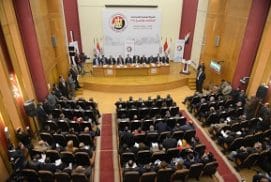
Egypt is expected to hold new presidential elections in less than eight weeks. Despite this, the list of presidential hopefuls remained unclear until early afternoon of January 29 – that is, the real last hours of the last day to submit the required paperwork to the National Elections Authority to be allowed to run in the electoral competition.
We use cookies to ensure that we give you the best experience on our website. If you continue to use this site we will assume that you are happy with it.Ok