
bosnian-genocide
  • Editorial Board 22 January 2026
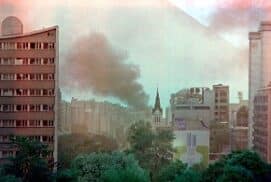
    From the siege of Sarajevo to the genocide of Srebrenica, religion during the Balkan wars of the 1990s was mobilized to legitimize violence, define enemies, and morally justify exclusion, hatred, and mass killing. With the end of the war and the implementation of the Dayton Accords, a new question emerged: what role can religious communities play once the guns fall silent? Reset’s new documentary by Filippo Macelloni, “Religion and Reconciliation in Bosnia-Herzegovina & the Balkans”, delves into the impact of religion on reconciliation and peacebuilding, starting at the heart of it all: Sarajevo.
  • Besa Ismaili 11 July 2025
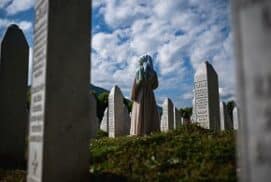
    Three decades have passed since the genocide in Srebrenica, three decades since over 8,000 Bosniak Muslim men and boys were systematically executed, while international forces, under a United Nations mandate, stood by, disabled to act.Though long delayed, the 2024 UN General Assembly resolution recognizing July 11 as the International Day of Remembrance for the Victims of the Srebrenica Genocide marked an important, yet symbolic step toward truth-telling. It seeks to institutionalize memory, counter persistent denial, and affirm the gravity of the atrocity. Yet symbolism alone cannot substitute justice.
Load more
SUPPORT OUR WORK


Please consider giving a tax-free donation to Reset this year

Any amount will help show your support for our activities

In Europe and elsewhere
(Reset DOC)


In the US
(Reset Dialogues)


x